


Australia Residential & Garden Irrigation Pump Market Report
Australia Residential & Garden Irrigation Pump Market Report – FLOSITE Market Insight Series
1. Market Overview: A Growing Opportunity for Small Pumps
The Australian water pumps market was valued at approximately USD 1.83 billion in 2025 and is projected to reach USD 2.93 billion by 2034, growing at a CAGR of 5.14%. While large industrial pumps dominate overall market value, the residential and garden irrigation segment represents a significant and rapidly evolving opportunity for international pump suppliers.
The residential pump market in Australia encompasses a wide range of applications: household water supply from rainwater tanks and boreholes, garden irrigation systems, swimming pool circulation, and pressure boosting for homes with inadequate mains pressure. With Australia's vast suburban sprawl and the growing trend toward self-sufficiency, demand for reliable, efficient, and user-friendly small pumps is on a strong upward trajectory.
What This Means for Buyers: The market is growing steadily, and demand is broad-based across multiple residential applications. For importers and retailers, this means diverse product categories to fill, and stable, year-round demand rather than seasonal spikes.

2. Import Dynamics: An Import-Dependent Market
Australia's water pump market is heavily import-dependent, creating a highly favourable environment for international manufacturers. Between 2020 and 2024, Australia's irrigation pump imports grew at a compound annual rate of 12.05%, with 2023-2024 alone seeing a 9.88% increase. This import reliance reflects the limited domestic manufacturing base and signals a sustained need for external suppliers.
For positive displacement pumps and hand pumps—a category that includes many residential and garden pump types—the import data is particularly revealing:
-
Total imports in 2024: 43 million units, valued at USD 17 million
-
China is the largest supplier by value, accounting for 58% of total import value (USD 9.9 million)
-
The United States is the largest supplier by volume, providing 17 million units
What This Means for Buyers: The import channel is well-established and growing. Chinese suppliers already dominate by value, but the market remains fragmented. Buyers have ample choice—but also face the challenge of distinguishing reliable suppliers from transient, uncertified competitors. The real opportunity for buyers lies in partnering with manufacturers who combine China's cost-effective supply chain with verified quality and full regulatory compliance.
3. Key Drivers for Residential and Garden Pumps
3.1 Water Scarcity and Rainwater Harvesting
Australia is the driest inhabited continent on Earth. Water scarcity is not a seasonal concern but a permanent reality. This has driven widespread adoption of rainwater tanks, boreholes, and greywater recycling systems in Australian homes. Each of these systems requires a pump—for pressure boosting, water transfer, and garden irrigation.
State and local governments actively encourage rainwater harvesting through rebate programs, further fuelling demand for domestic pumping solutions.
3.2 Gardens and Outdoor Living Culture
Australians are passionate about gardening and outdoor living. With a temperate climate across much of the country, garden irrigation is not a luxury but a necessity for maintaining green spaces, vegetable gardens, and lawns. The residential segment values pumps that are quiet, efficient, easy to install, and reliable.
3.3 Shift to Solar-Powered Solutions
Australia's abundant sunshine and rising electricity costs are driving a significant shift toward solar-powered irrigation systems. This is particularly pronounced in remote agricultural areas, but the trend is increasingly visible in the residential garden segment as well.
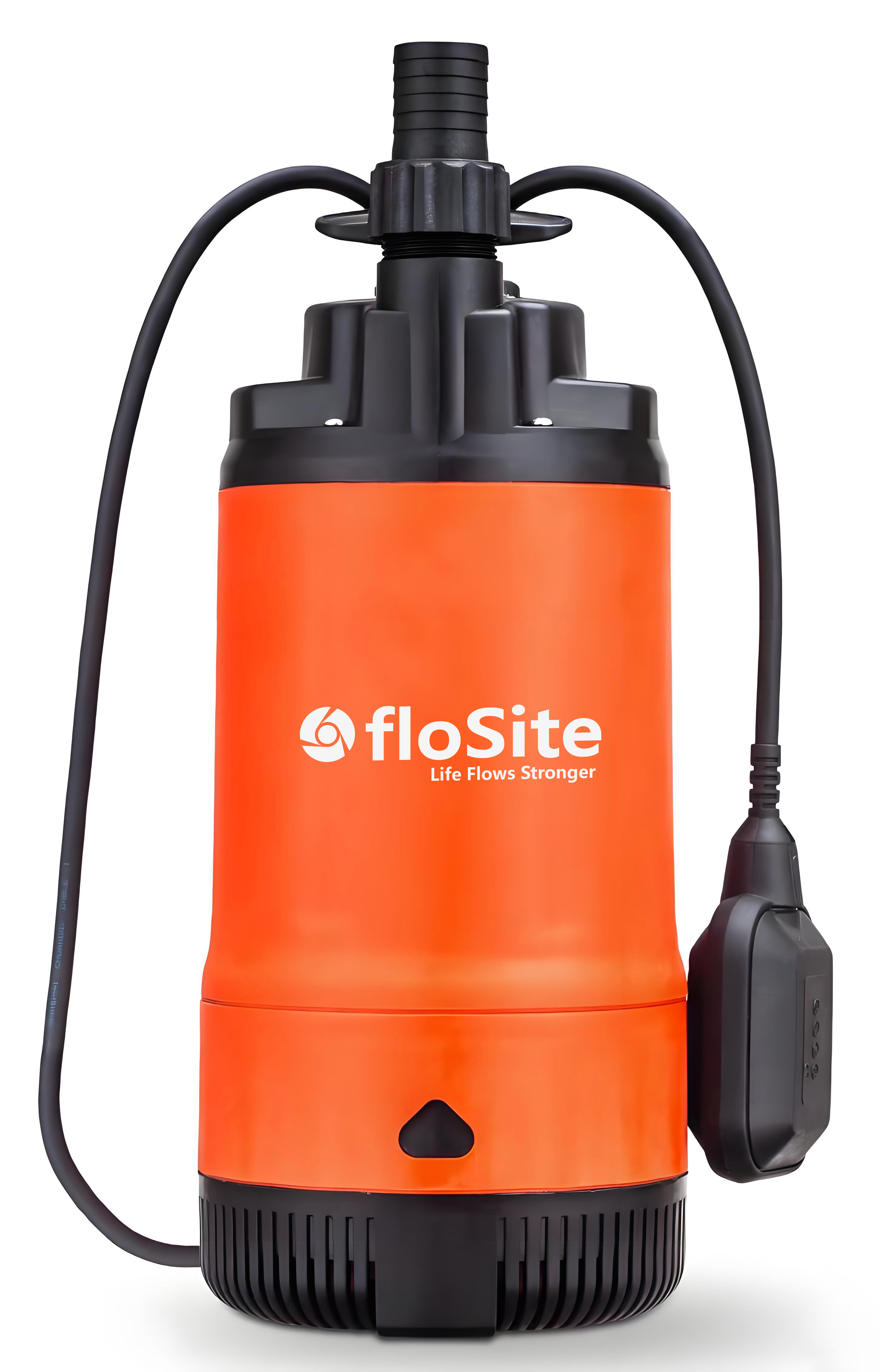
The New South Wales government's investment of approximately AUD 950,000 to replace traditional windmills with solar-powered pumps on traveling stock reserves is one example of this broader transition. Solar-compatible garden pumps and submersible pumps for rainwater tanks are emerging as growth categories.
3.4 Smart and Efficient Technology Adoption
Australian consumers and regulators are placing increasing emphasis on energy efficiency and smart technology integration. Key trends include:
-
Variable speed drive (VSD) systems that adjust pump speed to match demand, reducing energy consumption
-
Remote monitoring and predictive maintenance features integrated into pump controllers
-
Sensors for performance monitoring and fault detection
Even in the residential segment, consumers are becoming more tech-savvy and expect features such as automatic start/stop, dry-run protection, and app-based monitoring. Pumps that incorporate these features command premium pricing and customer loyalty.
4. Regulatory Environment: Certification as Market Access
Understanding Australia's regulatory landscape is essential for any supplier looking to enter the market. For buyers, working with a certified supplier eliminates risk and streamlines the import process.
4.1 Electrical Safety: Level 3 Compliance (2021)
Since December 2021, Australia has classified submersible pumps as Level 3 (highest safety risk) electrical equipment. This means:
-
Every model must hold a certificate of compliance from a recognised Australian certification body
-
Responsible suppliers must be registered with the Electrical Equipment Safety System (EESS)
-
Products must display the Regulatory Compliance Mark (RCM)
This regulation effectively raises the entry barrier for unqualified manufacturers. For buyers, partnering with a supplier who already holds these certifications means avoiding customs delays, avoiding penalties, and ensuring that products can be legally sold on the Australian market from day one.
4.2 WaterMark Certification for Plumbing Products
If pumps come into contact with drinking (potable) water, WaterMark certification is mandatory under Australian plumbing regulations. Key standards include:
| Standard | Requirement |
|---|---|
| AS/NZS 4020 | Product material safety for drinking water contact |
| AS/NZS 3497 | General requirements for drinking water devices |
| AS/NZS 3718 | Performance standards for water supply fittings |
The certification process involves sample testing (including 14-day immersion tests), factory audits, and ongoing compliance monitoring. While the certification process requires investment (estimated 6-8 months, with costs of AUD 100,000-150,000), it grants full market access and serves as a powerful trust signal to Australian retailers and end consumers.
4.3 Product Emissions Standards (PES Act)
For pumps with combustion engines, Australia's Product Emissions Standards Act requires certification to specific emission standards. Fortunately, most small electric pumps used in residential and garden applications are exempt from these requirements, which apply primarily to non-handheld internal combustion engines. However, petrol or diesel-powered pump variants must comply with US EPA, EU, or Australian certification.
4.4 Energy Efficiency Labelling
Electric pumps, particularly larger models, are increasingly subject to Minimum Energy Performance Standards (MEPS) and energy labelling requirements, particularly for pool pumps. While garden irrigation pumps may not currently face mandatory MEPS, the trend toward stricter energy efficiency regulation is clear.
What This Means for Buyers: Navigating Australia's compliance framework can be complex and costly. By sourcing from a supplier who has already obtained the necessary certifications, buyers save months of waiting time, avoid application fees, and eliminate the risk of product rejection at the border. Certified products also sell better—Australian retailers increasingly require proof of compliance before listing any electrical product.
5. Residential and Garden Pump Applications
For the Australian residential and garden market, key pump applications include:
5.1 Rainwater Tank Transfer Pumps
Used to pump water from rainwater tanks to the garden, or to boost pressure for household use.
Key Requirements: Automatic operation, dry-run protection, quiet performance, corrosion resistance.
5.2 Borehole and Well Pumps
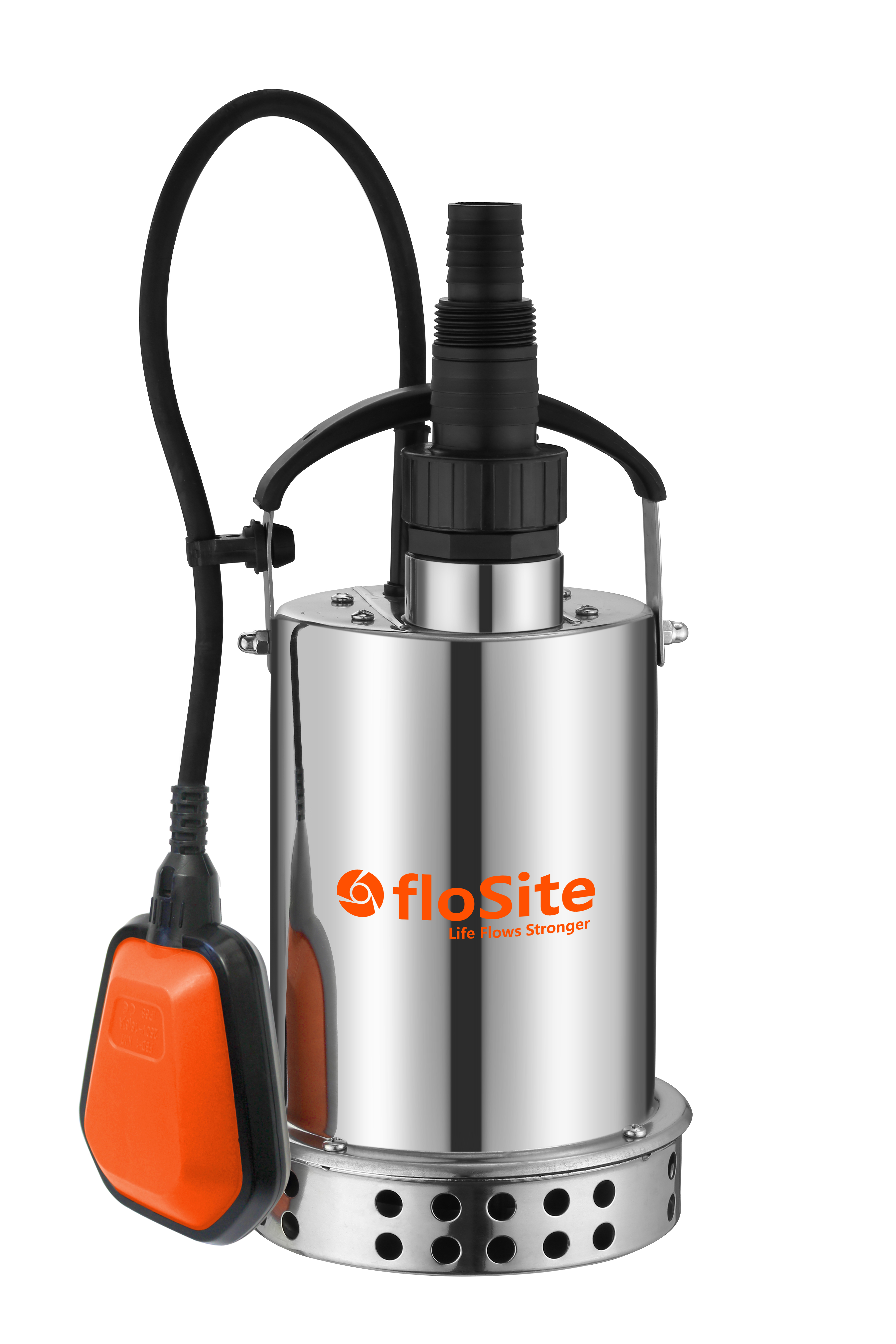
Submersible pumps for extracting groundwater from boreholes, common in rural and peri-urban properties.
Key Requirements: High head capability, sand-handling ability, durable motor insulation.
5.3 Garden Irrigation Pumps
Surface-mounted pumps for sprinkler and drip irrigation systems in gardens, lawns, and small hobby farms.
Key Requirements: Self-priming capability, moderate flow and head, reliability for seasonal use.
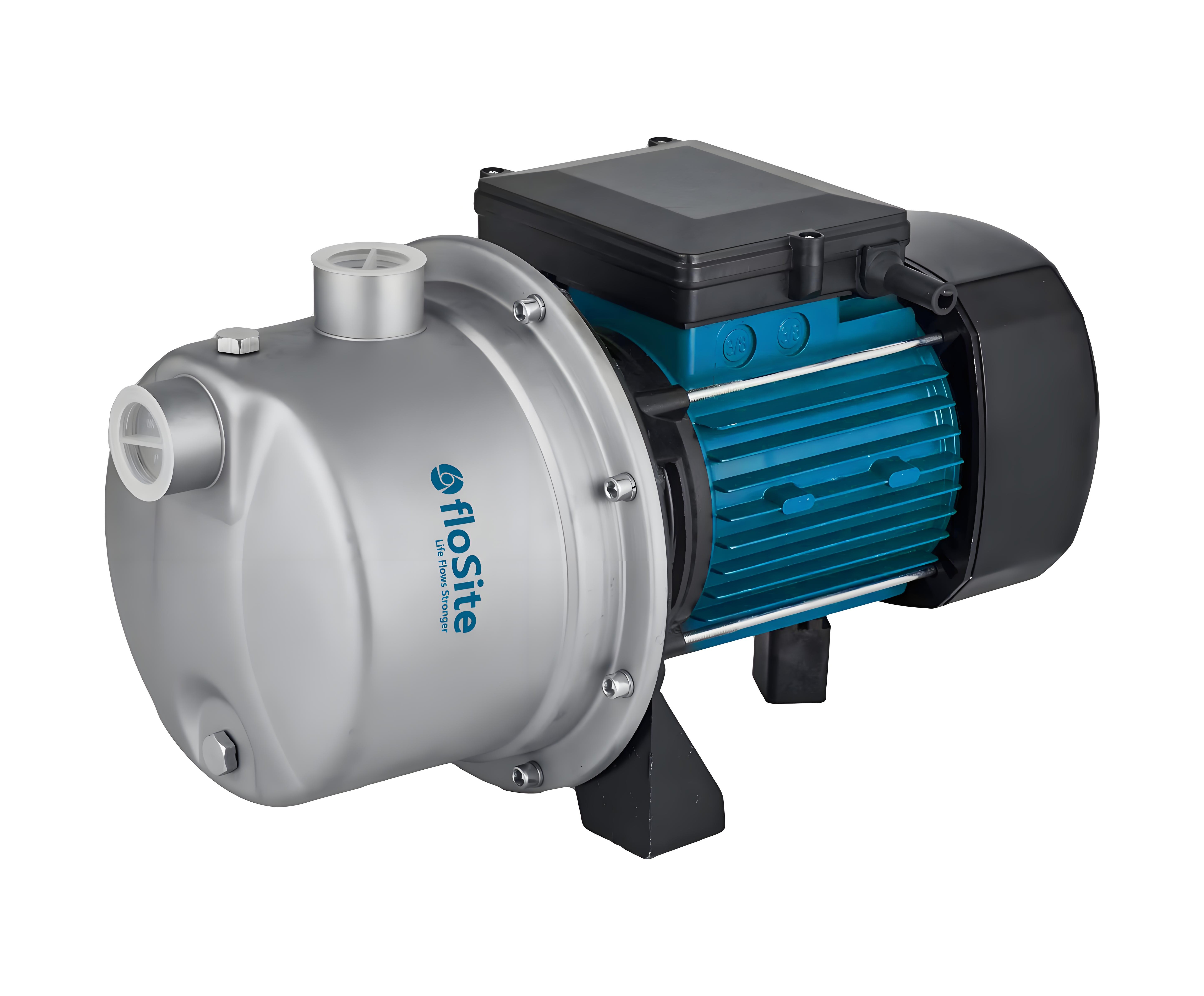
5.4 Pressure Boosting Systems
Compact centrifugal pumps that boost low mains water pressure in homes.
Key Requirements: Quiet operation, automatic start/stop, energy efficiency.
5.5 Pool and Spa Circulation Pumps
Specialised pumps for water circulation, filtration, and heating in swimming pools and spas.
Key Requirements: High flow rates, corrosion resistance, compliance with MEPS regulations.
6. Competitive Landscape: Positioning Your Product Portfolio
The Australian pump market includes several established players alongside a fragmented base of low-cost importers:
| Company | Segment Focus | Notes |
|---|---|---|
| Grundfos Pumps Pty Ltd | Industrial, commercial, premium residential | Global premium brand, strong in building services |
| Davey Water Products | Residential, garden, rural | Well-known Australian heritage brand |
| Pentair Water Australia | Pool and spa, water treatment | Specialised in pool and water feature pumps |
| KSB Australia | Industrial, building services | German engineering reputation |
| Numerous unbranded importers | Low-cost residential pumps | Lack certification, short product lifecycles |
Where the Opportunity Lies: The middle ground between premium Western brands (Grundfos, Davey) and low-cost, uncertified imports is under-served. Australian retailers and consumers are increasingly aware that the cheapest pump is rarely the most cost-effective. They want value—a quality-certified product at a competitive price, backed by a brand they can trust. For buyers, this means there is a clear gap in the market for mid-tier, certified residential pumps that offer reliable performance without the premium price tag of European brands.
7. Practical Guidance for Buyers
What to Look for in a Pump Supplier for the Australian Market
1. Verified Certifications
Ensure the supplier holds SAA/Level 3 electrical safety certification for submersible models, and WaterMark certification if potable water contact is involved. Ask for copies of certificates and verify them with the issuing bodies. This single step eliminates most import risks.
2. Solar Compatibility
Given Australia's abundant sunshine and government subsidies for renewable energy, pumps that support solar operation (DC motors or AC/DC compatibility) are increasingly sought after. Stocking solar-compatible models positions your product range ahead of the curve.
3. Quiet Operation and Ease of Installation
Australian suburban environments demand pumps that operate quietly and are easy to install. Products with simple installation instructions, user-friendly fittings, and low noise ratings sell better in the residential DIY segment.
4. After-Sales Support and Parts Availability
In Australia, where replacement parts can be expensive and difficult to source, a supplier's commitment to responsive after-sales service and spare parts availability is a major competitive advantage. This reduces returns, builds retailer confidence, and drives repeat orders.
5. Proven Export Experience
A supplier with established export experience to developed markets (Europe, North America, or Australia itself) brings valuable knowledge of packaging, documentation, and logistics requirements—reducing friction in your import process.
Brought to you by FLOSITE – Your Reliable Partner for Certified Residential and Garden Pumping Solutions
-

Australia Residential & Garden Irrigation Pump Market Report
FLOSITE Market Insight Series
넶1 2026-06-30 -

FLOSITE Pump Division Engages with Industry Advances at FLOWTECH CHINA 2026
Industry Advances at FLOWTECH CHINA 2026
넶19 2026-06-17 -
The Rainy Season is Coming – Is Your Drainage Pump Ready?
– Is Your Drainage Pump Ready?
넶24 2026-05-27 -
2025 Global Pump Industry Sales Ranking: Key Players & Market Trends
Key Players & Market Trends
넶33 2026-05-12


