


The Rainy Season is Coming – Is Your Drainage Pump Ready?
The Rainy Season is Coming – Is Your Drainage Pump Ready?
The rainy season is coming. For homeowners and property managers alike, those words bring the same concern: will this be the year my basement floods? Heavy rain doesn't ask for permission, and when it hits, there's no time to shop for a pump. The time to prepare is now. Below, we look at two common scenarios – home use and civil/commercial use – and explain what you need to know before the first storm arrives.
1. For Home Use
When Heavy Rain Hits, Don't Let Your Basement Become a Swimming Pool
Summer storms can turn a cozy home into a disaster zone in minutes. For homeowners, the most vulnerable spot is often the basement, underground garage, or garden sump pit. When rainwater accumulates faster than gravity can drain it, the result is flooded floors, ruined storage, and costly repairs.
This is where a home drainage pump becomes your silent guardian. Unlike industrial pumps, home drainage pumps are compact, automatic, and designed for ease of use. Most are equipped with a float switch – once the water rises to a set level, the pump turns on by itself, pushing water out through a discharge pipe. When the water recedes, it shuts off automatically. No manual operation required.
Our built-in float switch pump is especially suitable for long-term installation in basement sump pits. It takes up very little space. The float switch is built into the pump body, so it will never get stuck in the pit due to a long power cord. In normal use, the built-in float is set to automatic mode. As soon as the water level rises slightly, the pump activates and drains the water away in time – no supervision required.
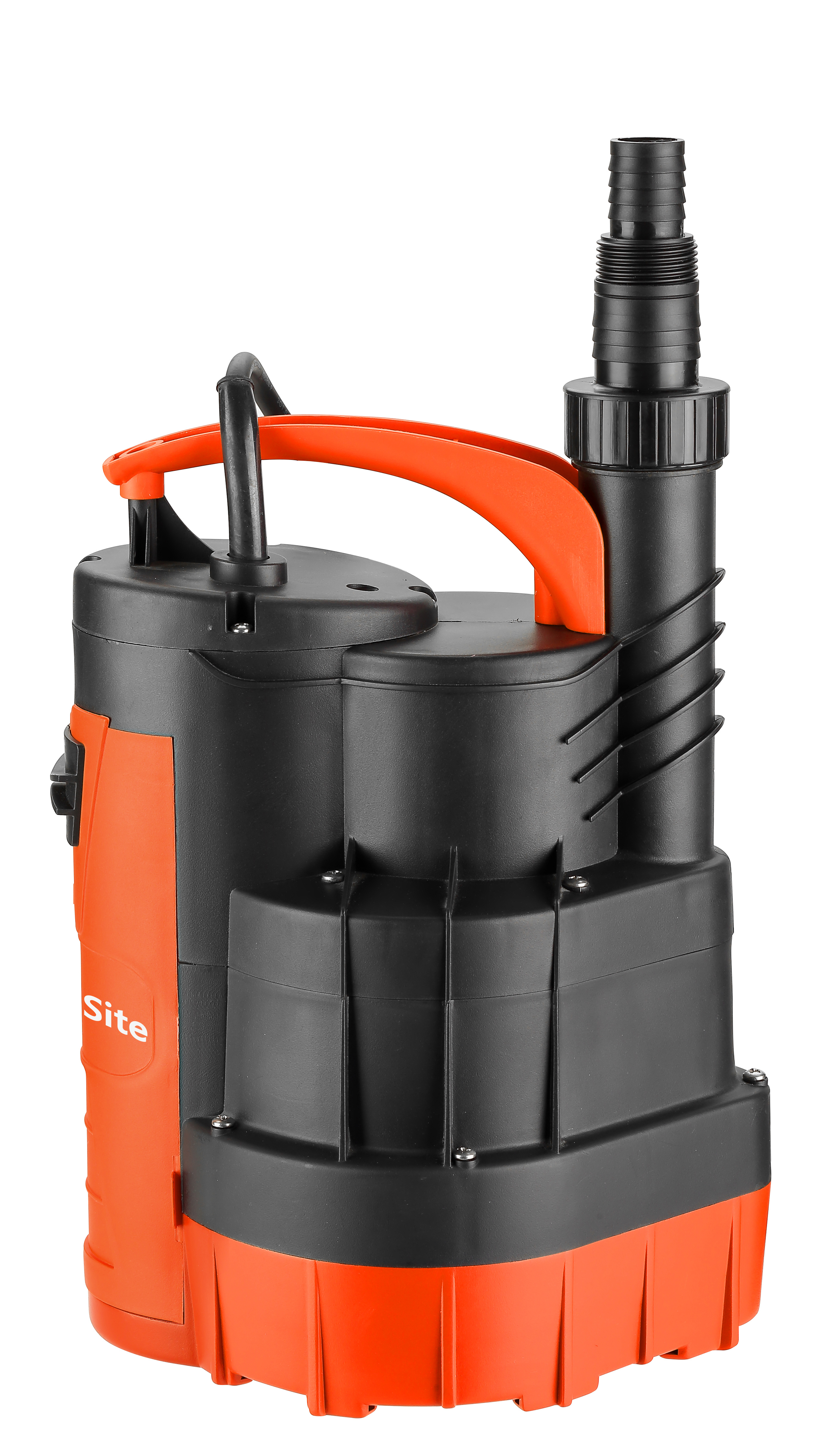
For further details of this product, please click here.
Modern home pumps are also designed with noise reduction in mind. You won't hear a loud roar when you're watching TV upstairs. Many models feature corrosion-resistant materials like stainless steel or engineering plastic, ensuring they won't rust even after sitting in water for months.
Pro tip for homeowners: Test your sump pump before the rainy season begins. Pour a bucket of water into the pit and watch if the pump activates smoothly. Also, check the discharge outlet outside – make sure it's not blocked by leaves or mud. A little prevention today can save you thousands in flood damage tomorrow.
When the next storm warning comes, you can sleep soundly knowing your home drainage pump is standing by.
Tips:
- If your basement has a sump pit and the water level is just slightly above the floor, our stainless steel high-power sewage pump is the right choice. It drains quickly and can handle solids with ease, ensuring fast removal even when debris is present.
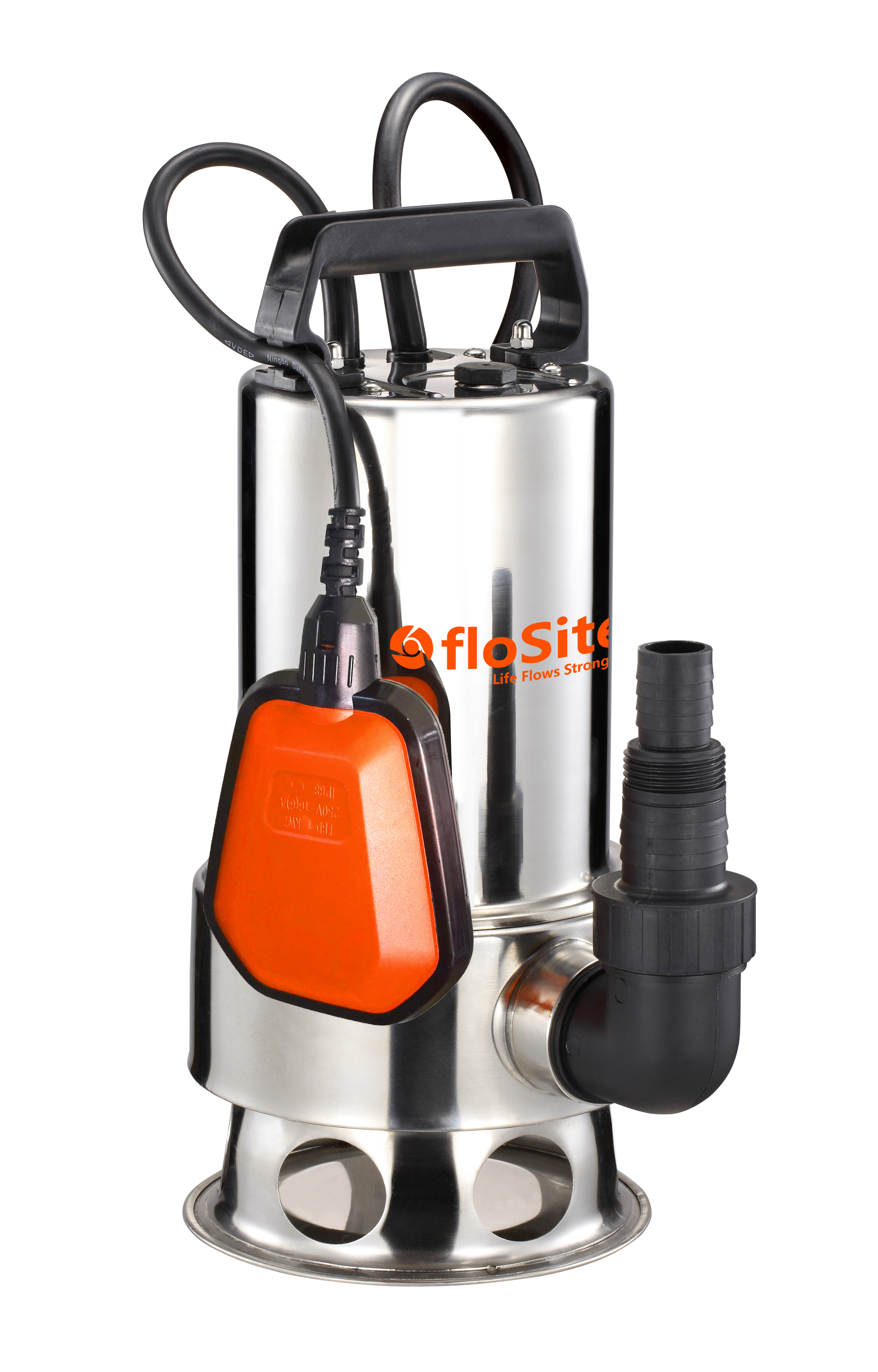
For further details of this product, please click here.
- If your basement does not have a sump pit, use our low-suction pump. It can remove water down to as little as 1mm, leaving the floor virtually dry.
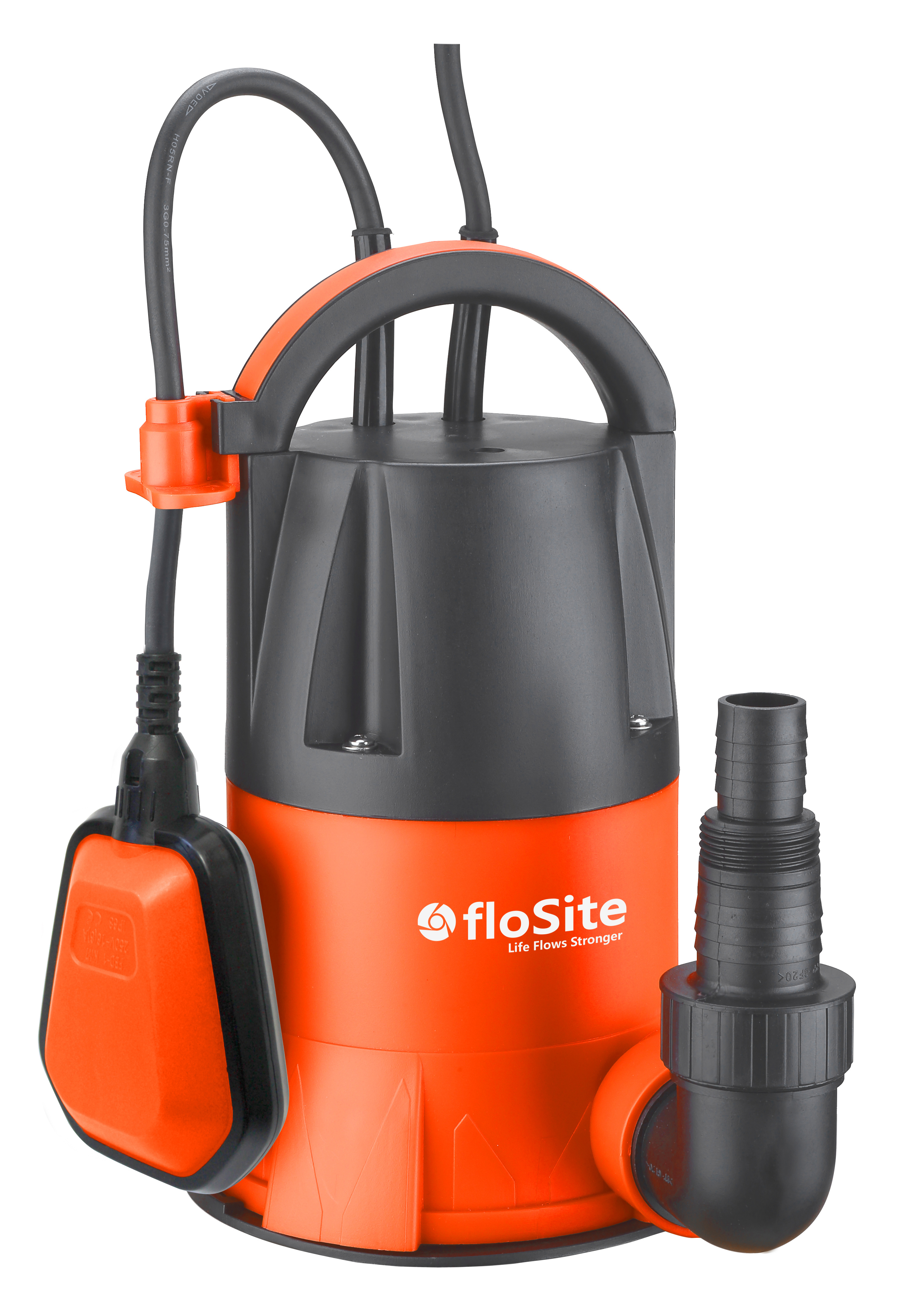
For further details of this product, please click here.
- If there is a power outage and the water has risen to a significant depth, our small gasoline engine water pump is your best backup solution.
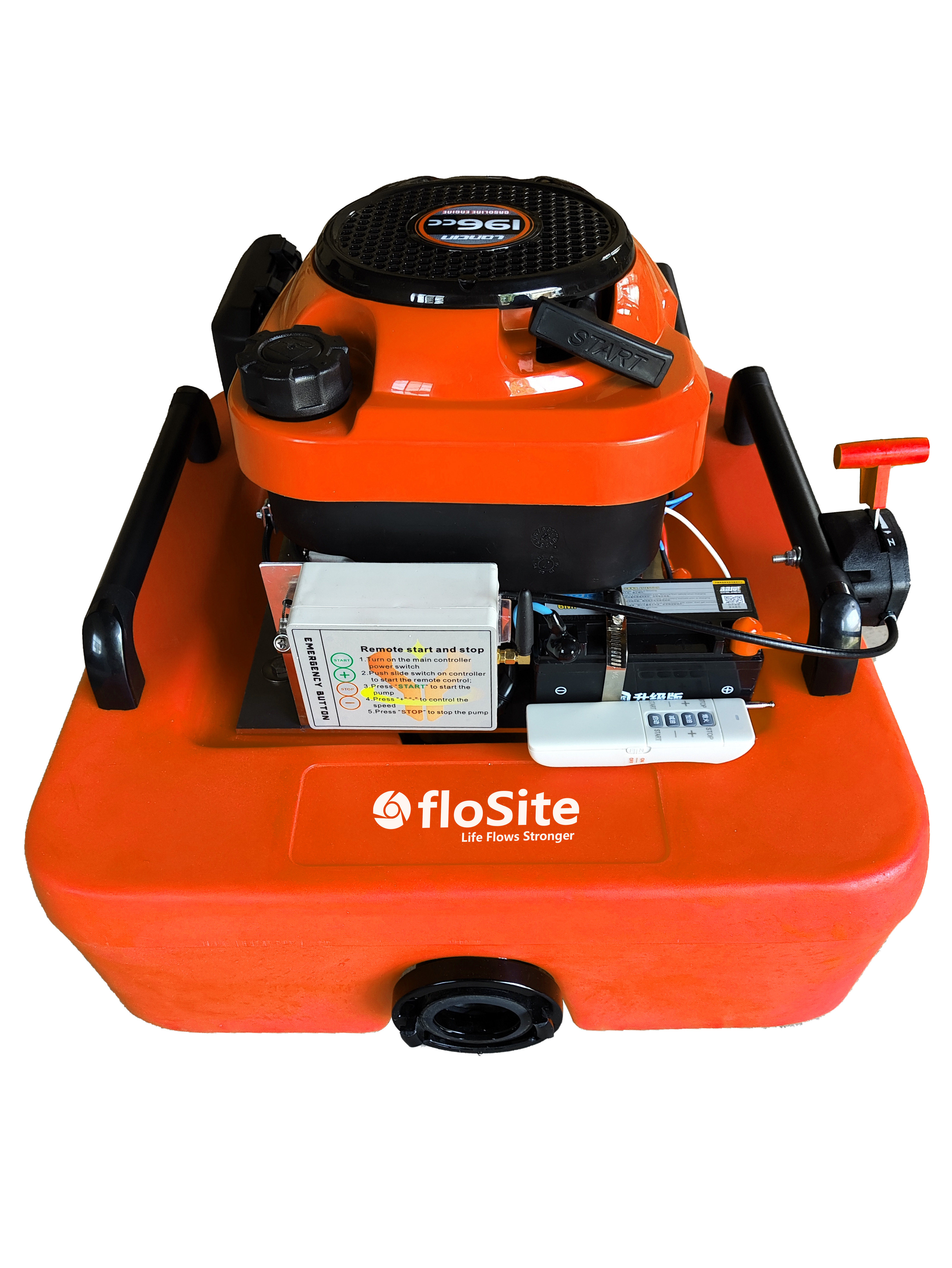
For further details of this product, please click here.
2. For Commercial / Civil Use
Keeping the City Running: Why Civil Drainage Pumps Are the Unsung Heroes of Rainy Season
For property managers, municipal departments, and commercial facility operators, heavy rain isn't just an inconvenience – it's a liability. Underground parking lots, shopping mall basements, subway underpasses, and construction sites all face the same risk: flooding that disrupts business, damages equipment, and endangers public safety.
Civil drainage pumps are built for these demanding environments. Unlike home pumps, they handle larger volumes of water, often mixed with debris, mud, or sewage. A typical submersible sewage pump used in civil applications can pass solids up to 50mm in diameter without clogging. This means no more frantic unclogging jobs in the middle of a downpour.
Automatic operation is even more critical here. Most civil systems use dual-pump configurations with alternating controls – the pumps take turns running, extending lifespan, and if one fails or cannot keep up, the second one automatically kicks in. Some advanced models also feature remote monitoring via GSM or app, sending alerts to facility managers when water levels rise unexpectedly.
For civil applications, reliability is non-negotiable. A flooded commercial basement means lost revenue, tenant complaints, and potential legal liability. That's why professional-grade pumps use heavy-duty cast iron housings, double mechanical seals, and thermal overload protection.
Civil operator's checklist: Before the rainy season arrives, perform a full system check – clean the impeller, verify float switch movement, test the backup power supply, and inspect check valves. In a commercial setting, a failed pump is not just a maintenance issue; it's a business continuity problem.
Choose a drainage pump with the right capacity, automatic controls, and rugged construction. Your tenants, customers, and bottom line will thank you.
-

Australia Residential & Garden Irrigation Pump Market Report
FLOSITE Market Insight Series
넶1 2026-06-30 -

FLOSITE Pump Division Engages with Industry Advances at FLOWTECH CHINA 2026
Industry Advances at FLOWTECH CHINA 2026
넶19 2026-06-17 -
The Rainy Season is Coming – Is Your Drainage Pump Ready?
– Is Your Drainage Pump Ready?
넶24 2026-05-27 -

2025 Global Pump Industry Sales Ranking: Key Players & Market Trends
Key Players & Market Trends
넶33 2026-05-12


