


Common Water Pump FAQs
Essential Water Pump Knowledge: Your Top Questions Answered
Choosing the right pump can be challenging. To help you get the best performance and longevity from your equipment, we have answered the most frequently asked questions about water pumps.
How do I choose the right pump?
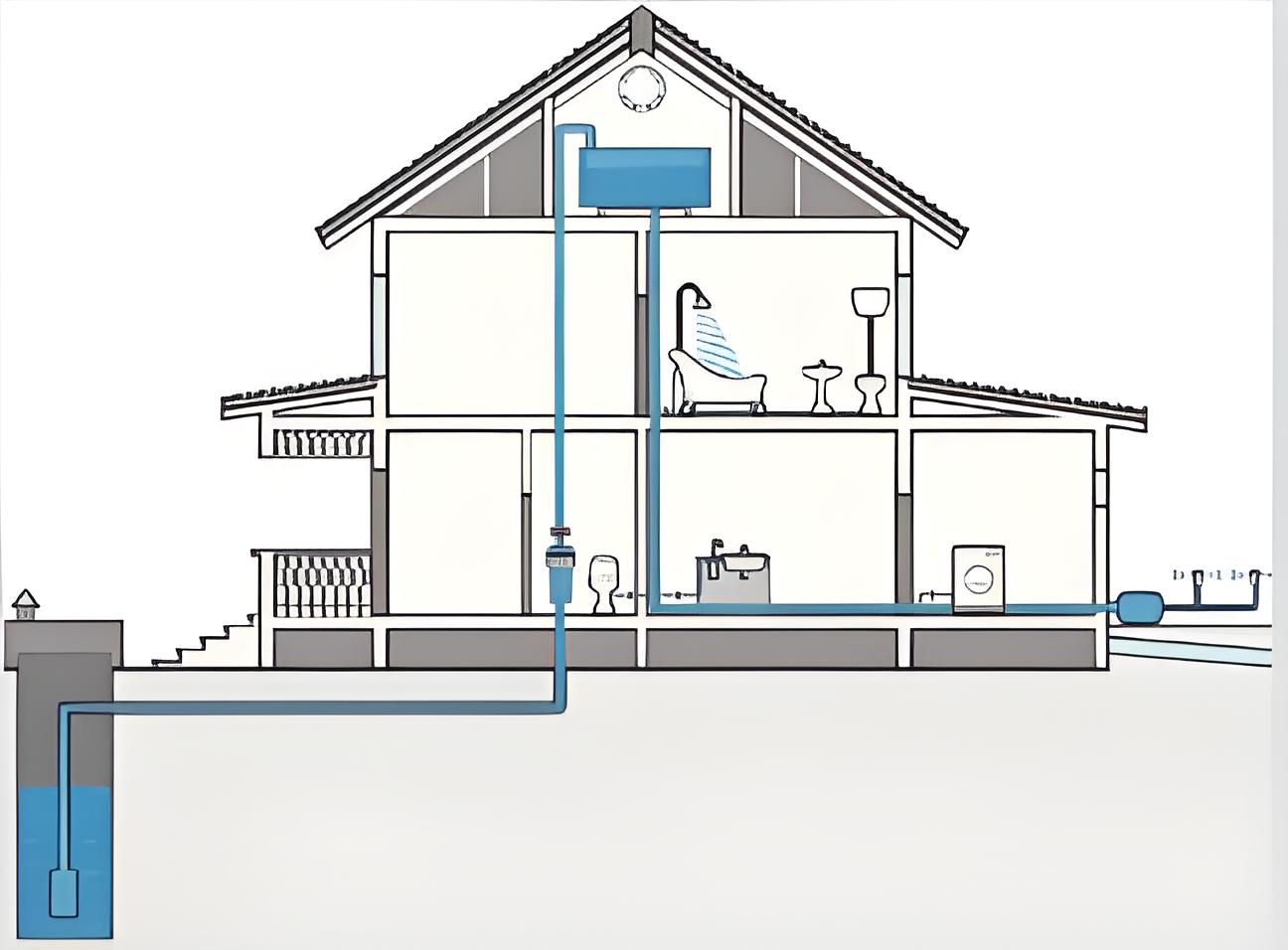
Selecting the correct pump depends on your specific application. First, determine the total dynamic head (TDH)-the vertical distance from the water source to the destination plus friction loss. Second, identify your required flow rate (gallons per minute or GPM). Finally, match these specifications to the pump’s performance curve. Always consider the quality of your water (clean vs. dirty) to choose between a centrifugal, jet, or submersible pump.
What are the most common horsepower options for pumps?
The most common horsepower (HP) ratings for residential pumps are 0.5 HP, 1 HP, and 1.5 HP. Smaller applications like garden fountains or small ponds might use 0.5 HP, while 1 HP is the standard for shallow wells and medium pressure boosting. Larger homes or deep wells typically require 1.5 HP or higher.
What is the difference between 1HP and 0.5HP pumps?
The primary difference is power and output. A 1 HP pump can generate higher water pressure and a greater flow rate, allowing it to lift water from deeper sources or push it over longer distances. A 0.5 HP pump is more energy-efficient for shallow applications but will struggle to maintain pressure in systems requiring high water volume.
Can I use sealants during installation?
Yes, but with caution. Use PTFE tape (plumber's tape) on threaded connections to ensure a watertight seal. However, avoid using excess pipe dope or liquid sealants on internal components. Over-application can cause the sealant to enter the pump mechanism, leading to clogs or damage to the mechanical seal.
How do I maintain my pump?
Regular maintenance ensures longevity. Keep the pump and motor clean and free of debris to ensure proper ventilation. Periodically check all electrical connections and wiring. For well systems, ensure the pressure switch is clean and functioning. Most importantly, monitor your system for unusual noises or vibrations, which are early signs of wear.
Why is my pump cycling on and off constantly?
This issue, known as "short cycling," is usually caused by a problem with the pressure tank. The most common cause is a loss of air charge in the tank (a waterlogged tank). It can also be caused by a leak in the plumbing system or a faulty pressure switch. Check the air pressure in your tank (it should be 2 PSI below the cut-in pressure) to diagnose the issue.
What are the signs of a failing water pump?
Look for these key indicators:
- Decreased water pressure from fixtures.
- The pump runs continuously but delivers little water.
- Frequent cycling (turning on/off rapidly).
- Unusual noises like grinding or squealing (indicating bearing failure).
- Air sputtering from faucets (could indicate a suction leak).
What is dry running and why is it dangerous?
Dry running occurs when a pump operates without water flowing through it. This is extremely dangerous because the water acts as a lubricant and coolant for the internal components, particularly the mechanical seal. Without water, friction builds up rapidly, causing the seal to melt, the impeller to weld to the casing, or the motor to overheat and burn out-often within minutes.
How often should I check my pressure tank?
You should check the air pressure in your pressure tank at least once a year. This is done by turning off the pump, draining the tank, and using a tire pressure gauge at the air valve on top. Maintaining the correct air charge prevents short cycling and extends the life of both the pump and the motor.
-

Australia Residential & Garden Irrigation Pump Market Report
FLOSITE Market Insight Series
넶1 2026-06-30 -

FLOSITE Pump Division Engages with Industry Advances at FLOWTECH CHINA 2026
Industry Advances at FLOWTECH CHINA 2026
넶19 2026-06-17 -
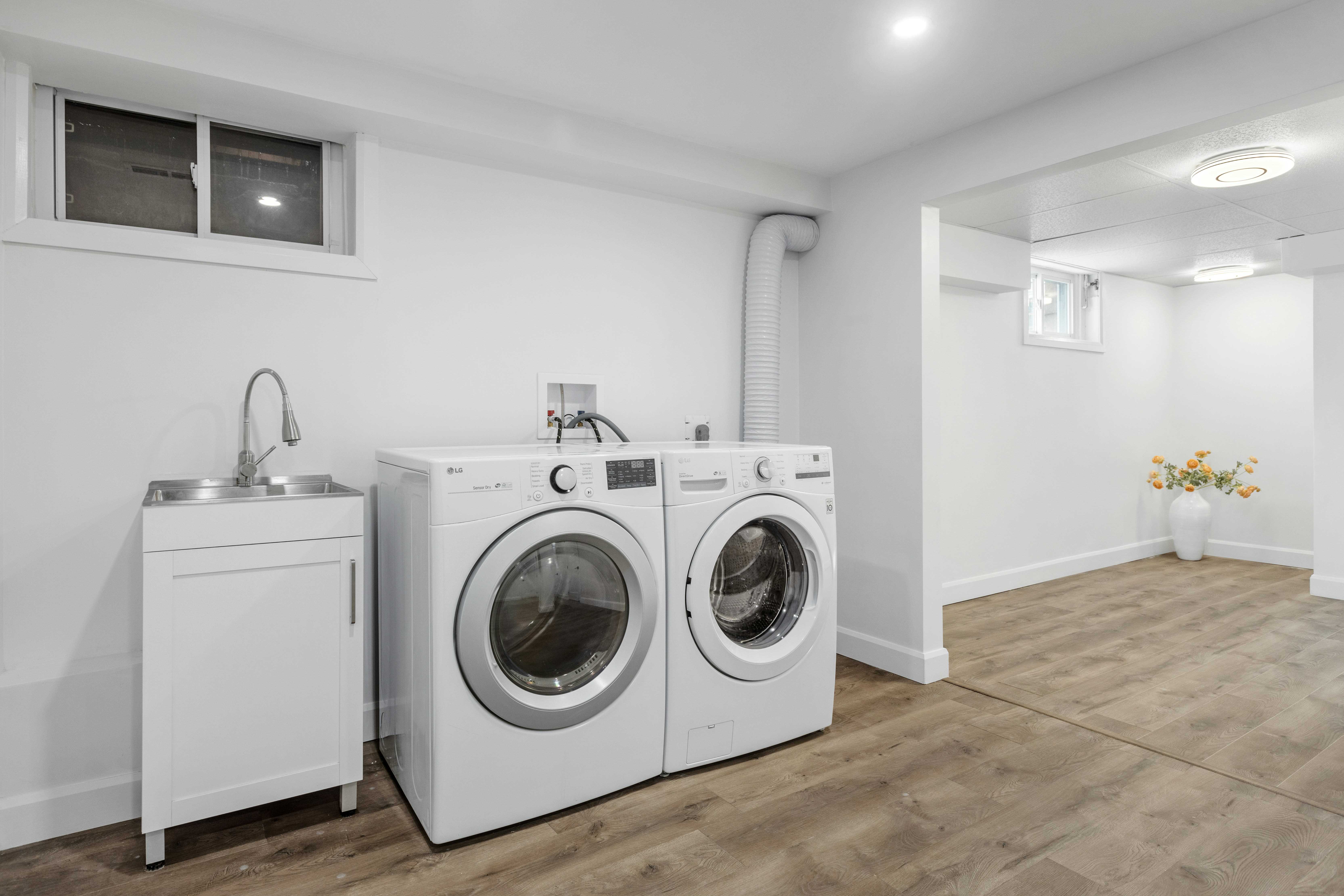
The Rainy Season is Coming – Is Your Drainage Pump Ready?
– Is Your Drainage Pump Ready?
넶24 2026-05-27 -
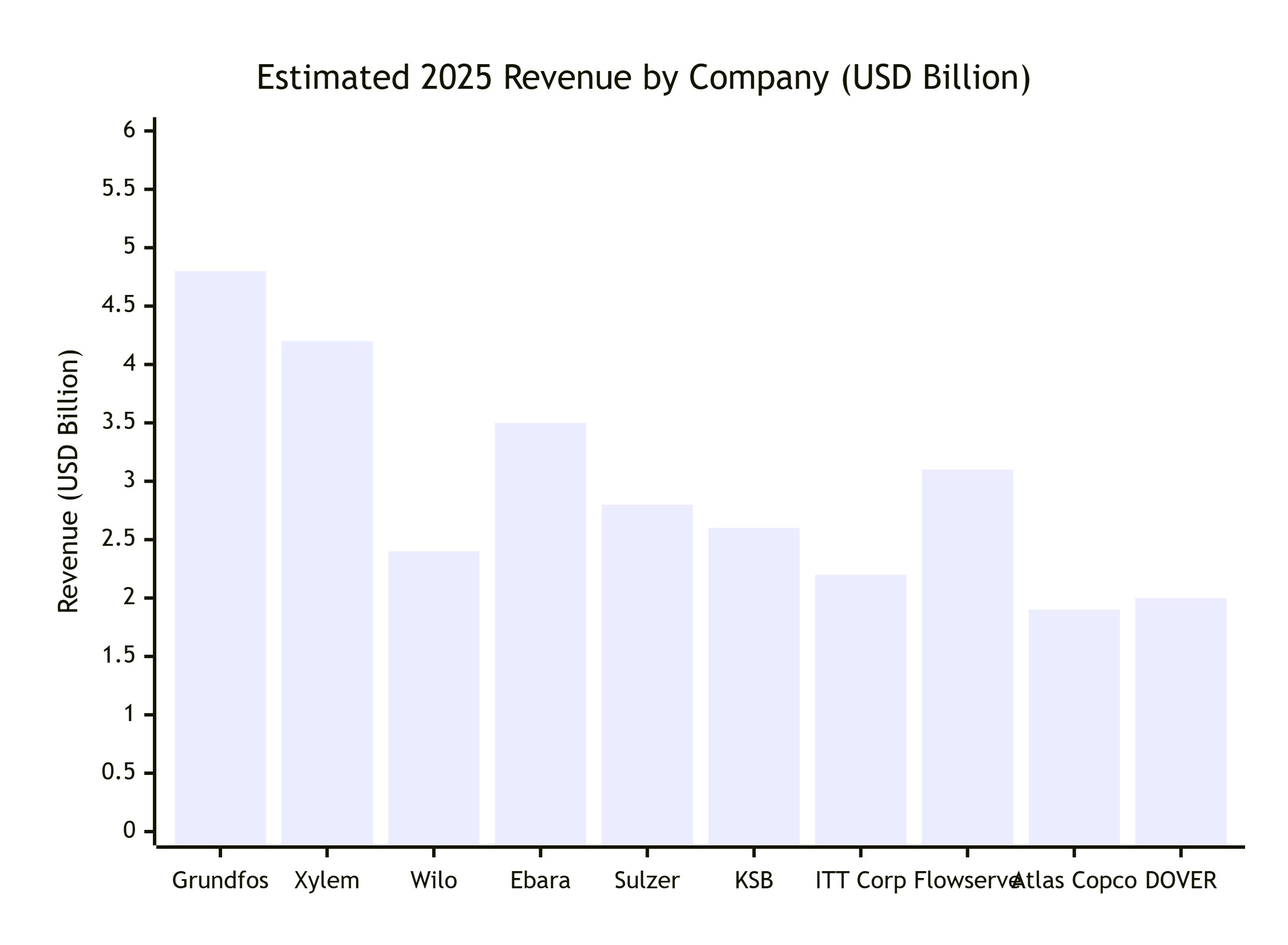
2025 Global Pump Industry Sales Ranking: Key Players & Market Trends
Key Players & Market Trends
넶33 2026-05-12


