


Spring Startup Guide for Garden Pumps: Key Maintenance Tips After Winter Dormancy
Avoid Costly Repairs-How to Safely Reactivate Your Water Pump for the New Season
As temperatures rise and your garden wakes up, it’s time to bring your garden pump back into action. After months of low or no use during winter, a few simple checks can prevent damage and extend the life of your equipment.
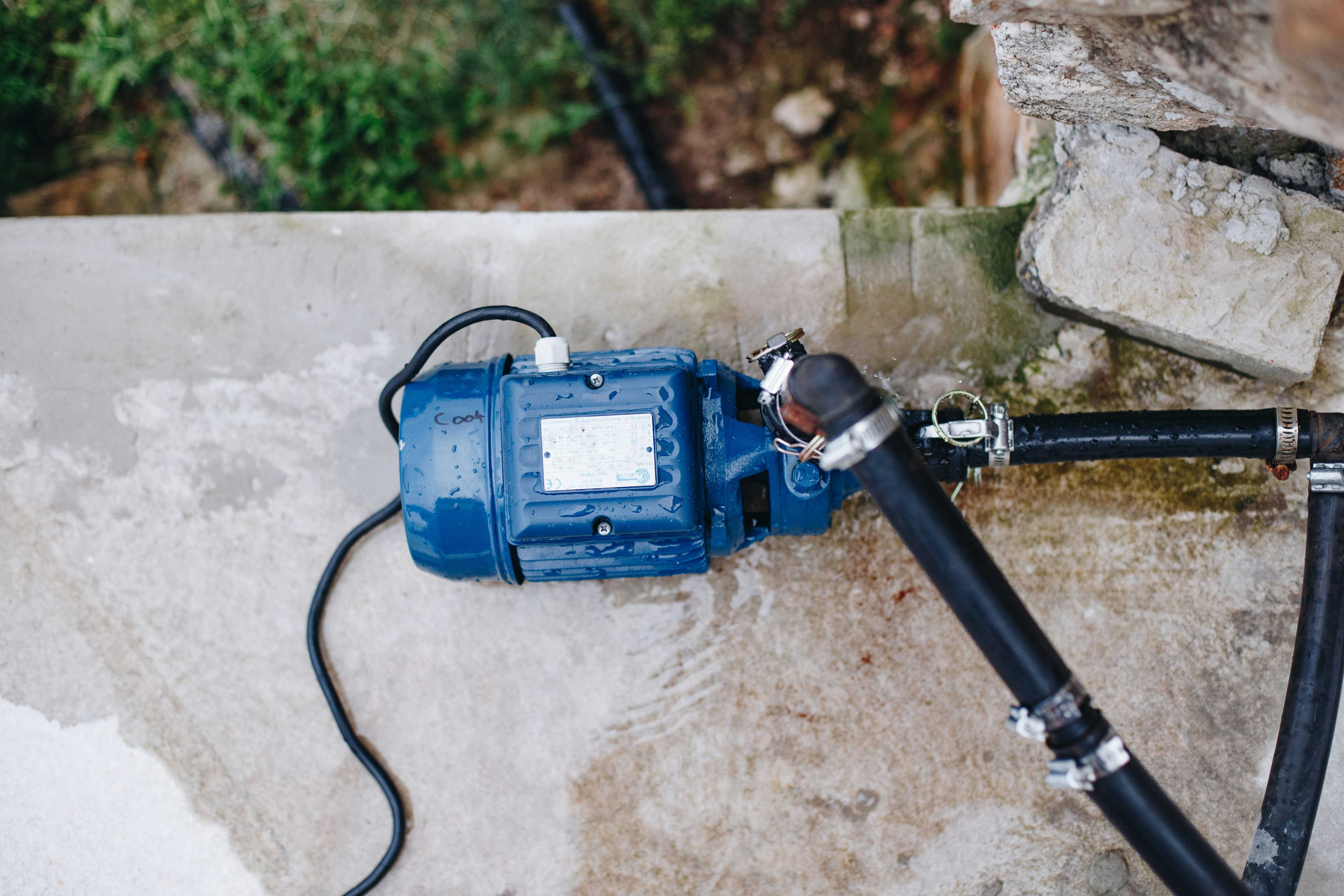
1. Inspect for cracks or frost damage
Winter frost can cause hairline cracks in the pump housing or pipes. Before starting, visually inspect all components. If you spot leaks or damage, replace parts immediately.
2. Clean the inlet and impeller
Leaves, dirt, or debris may have accumulated inside. Clean the pump inlet, impeller, and strainer thoroughly. A blocked pump can overheat or fail to prime.
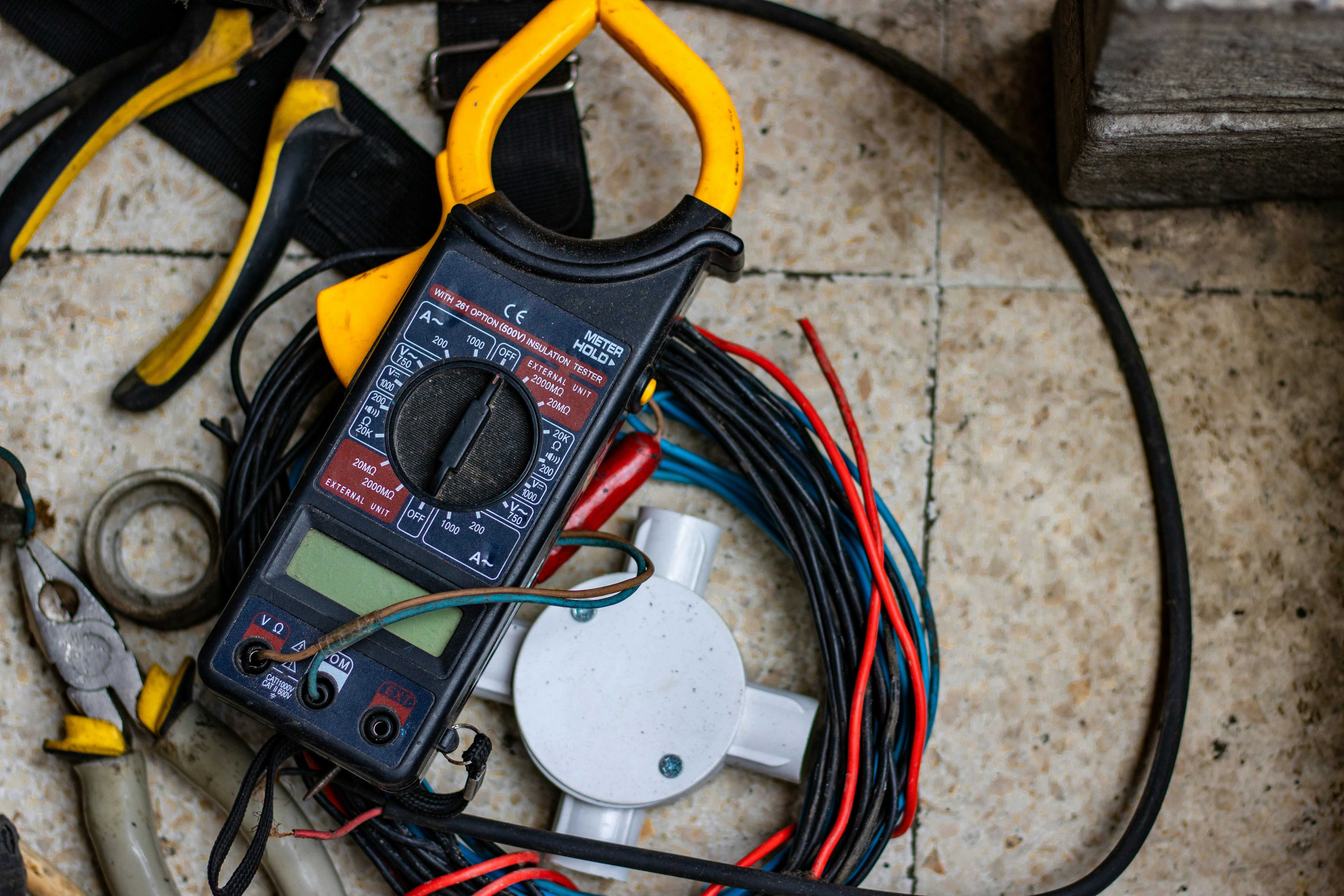
3. Check electrical connections and cables
Moisture and rodents can damage cables over winter. Look for frayed wires or loose plugs. Never operate a pump with damaged electrical parts.
4. Test-run without load
Fill the pump with clean water (never run dry) and let it operate briefly without a hose attached. Listen for unusual noise or vibration-a sign of internal wear or blockage.
5. Prime properly
For centrifugal pumps or self-priming pumps, ensure the casing is fully filled with water before starting. Running a pump dry will destroy the mechanical seal.
Following these steps helps your water pump deliver reliable performance all spring and summer. For spare parts or professional advice, contact our support team.
-

Australia Residential & Garden Irrigation Pump Market Report
FLOSITE Market Insight Series
넶1 2026-06-30 -

FLOSITE Pump Division Engages with Industry Advances at FLOWTECH CHINA 2026
Industry Advances at FLOWTECH CHINA 2026
넶19 2026-06-17 -

The Rainy Season is Coming – Is Your Drainage Pump Ready?
– Is Your Drainage Pump Ready?
넶24 2026-05-27 -

2025 Global Pump Industry Sales Ranking: Key Players & Market Trends
Key Players & Market Trends
넶33 2026-05-12


