


Why Pumps Fail in Poland? We Found the Answer.
A Report on the Hidden Dangers of Sandy Water and How to Prevent It
When we walked into a client’s warehouse in Warsaw last year, the sight was all too familiar: dozens of returned submersible multistage pumps waiting for inspection. But this time, we decided not to just process the warranty claims-we went searching for the real story.
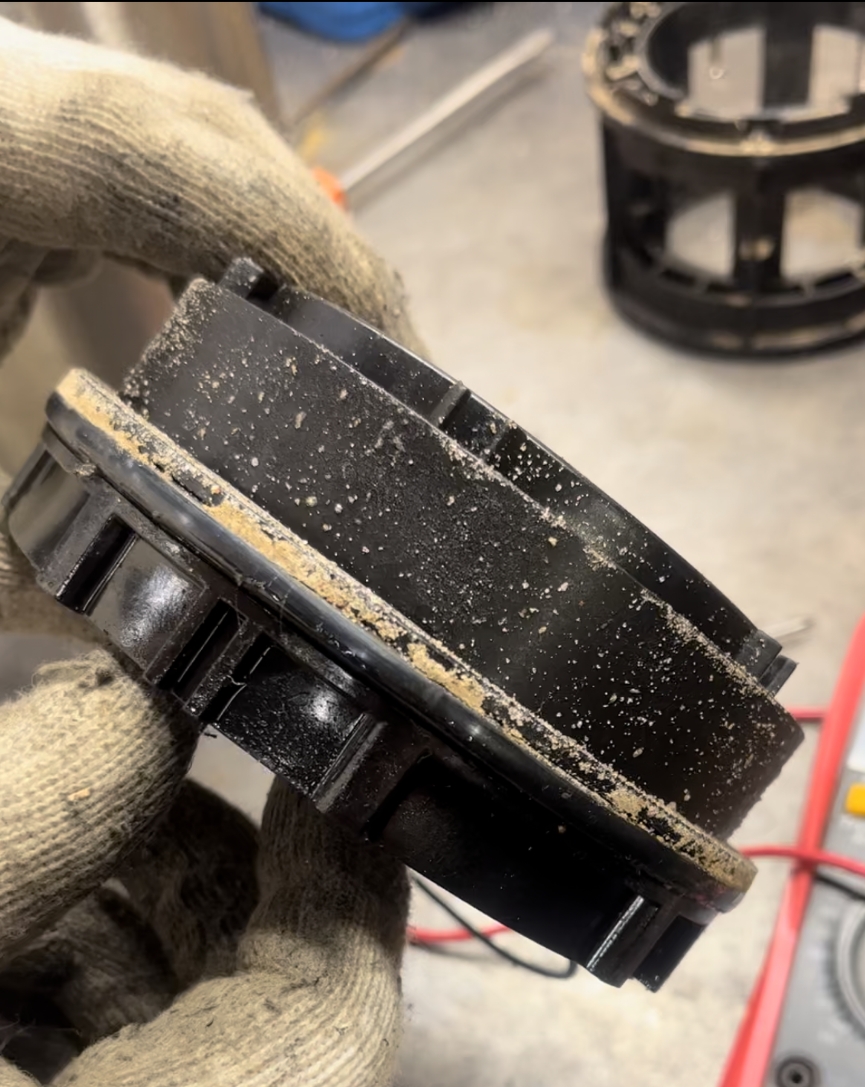
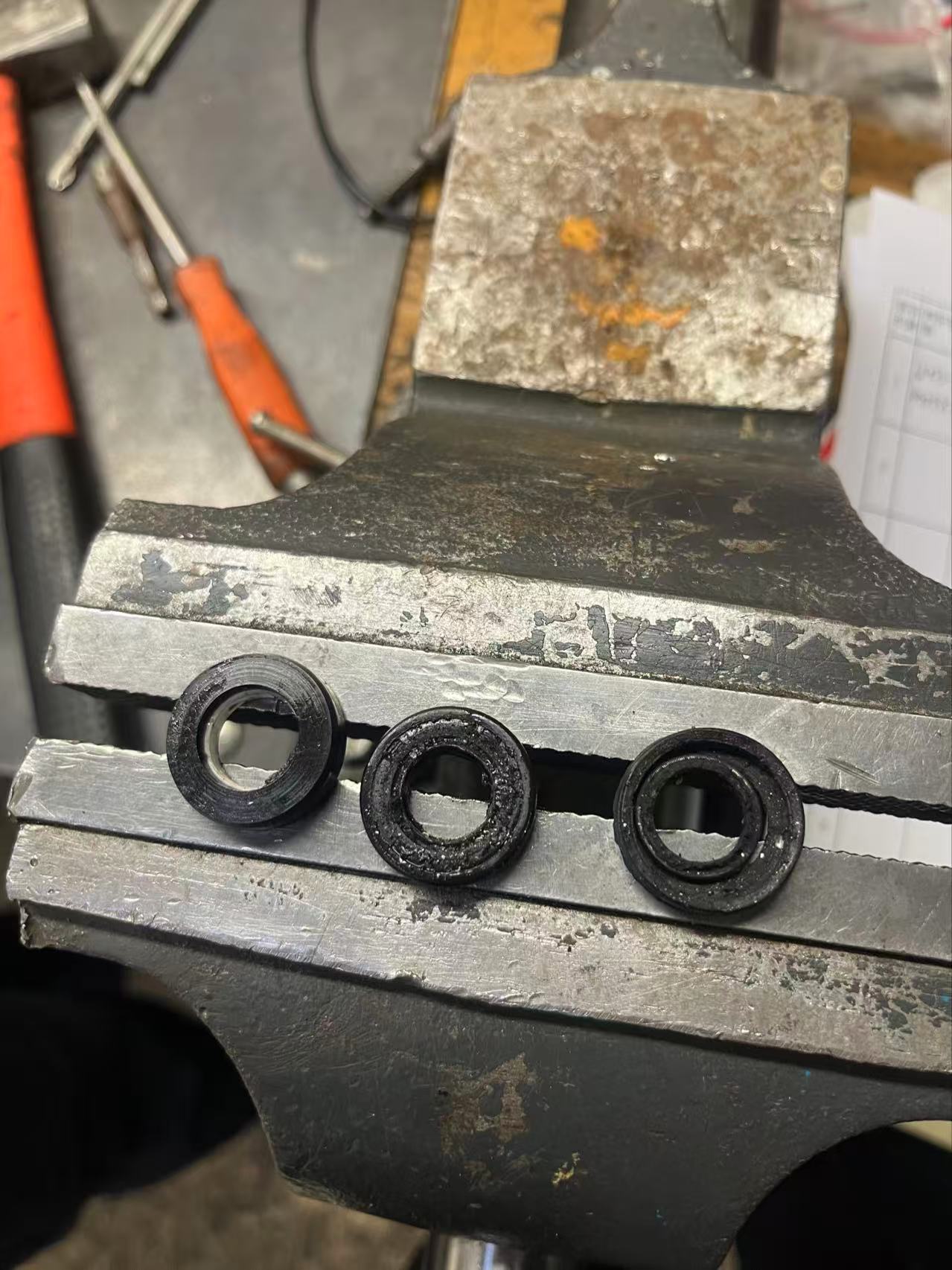
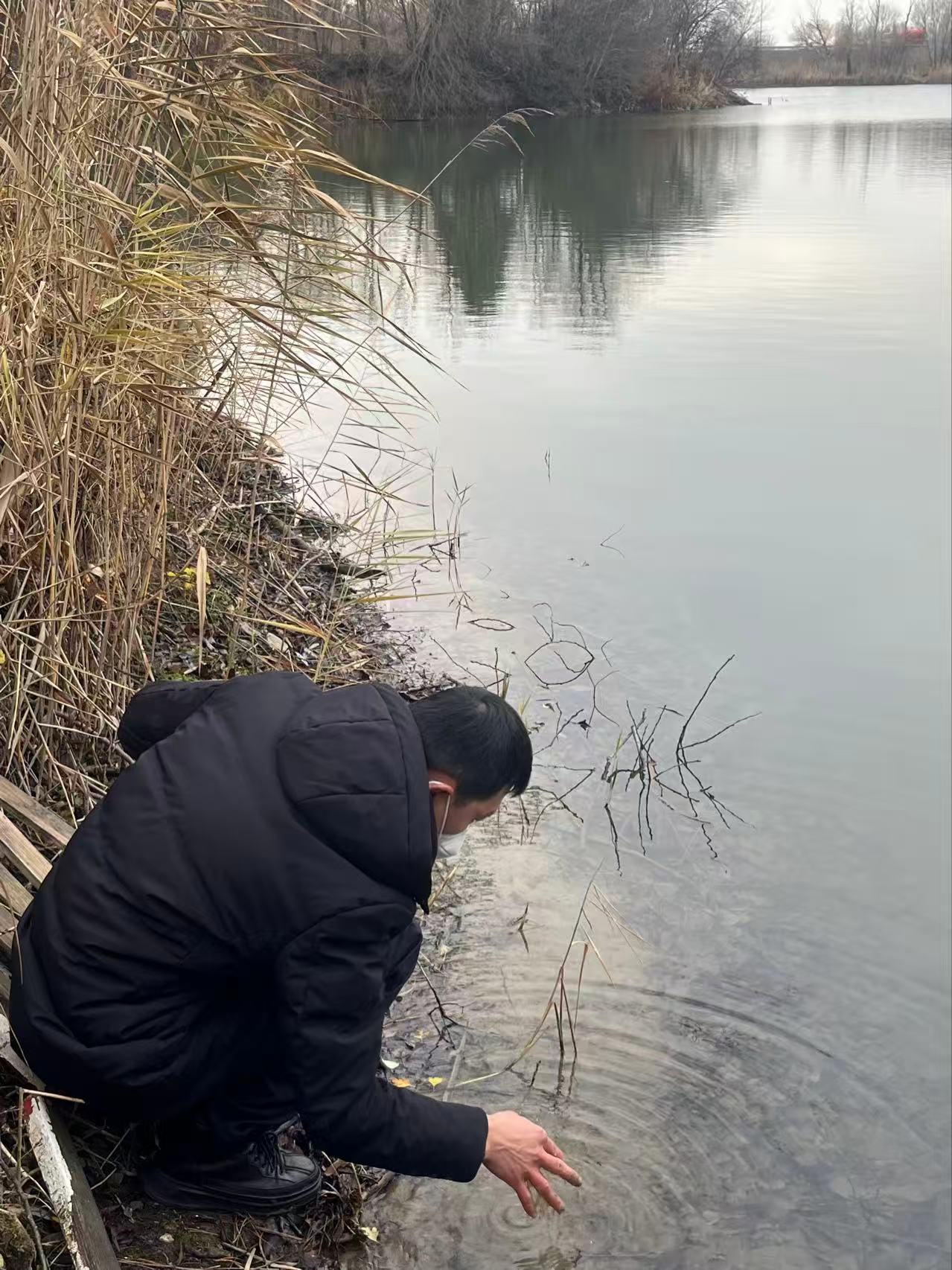
With the client’s cooperation, we disassembled more than ten failed units on the spot. The internal evidence was consistent across every pump: fine sand had infiltrated the critical components. The mechanical seals were scored and worn. The bearings showed significant abrasion. But we didn’t stop there. We traveled to several ponds on the outskirts of Warsaw-the very water sources where many of these pumps operated. Taking sediment samples, we confirmed our suspicion: the pond bottoms were not just muddy, but contained a high proportion of fine sand.
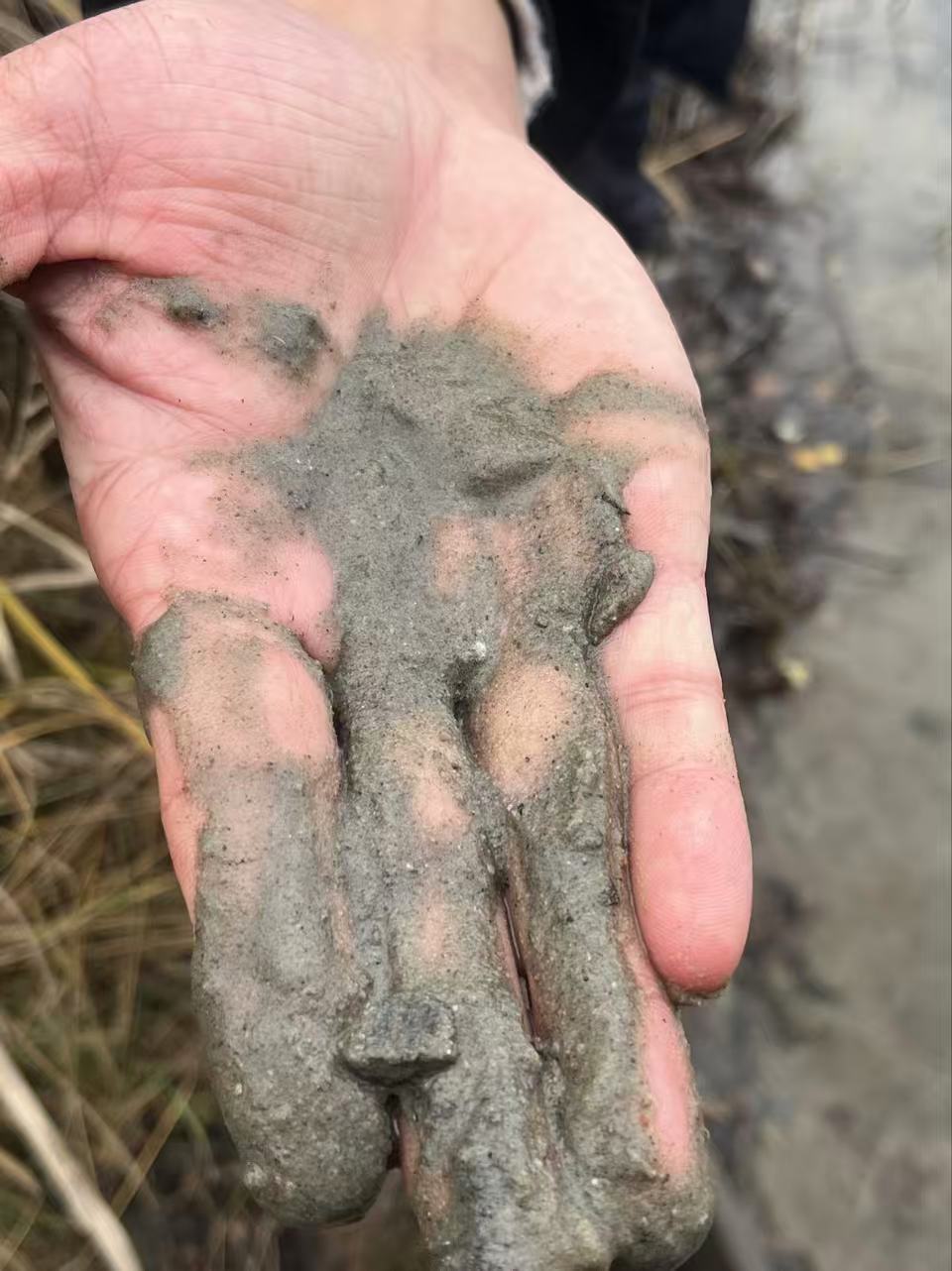
This combination-high-pressure multistage pumps operating in water with high sand content-creates a perfect storm for premature failure. Here is exactly what happens inside the pump, backed by field data and research.
How Sand Destroys Mechanical Seals
The mechanical seal is the pump’s primary barrier, preventing water from entering the motor. In sandy water, it faces two devastating attacks:
- Premature Wear of the Seal Faces: The heart of a mechanical seal is the precision-matched rotating and stationary faces. When sandy water containing hard particles like quartz enters between these faces, it acts like lapping paste. The seal faces are rapidly ground down, losing their perfect seal. Once this happens, leaks begin, and motor failure is inevitable.
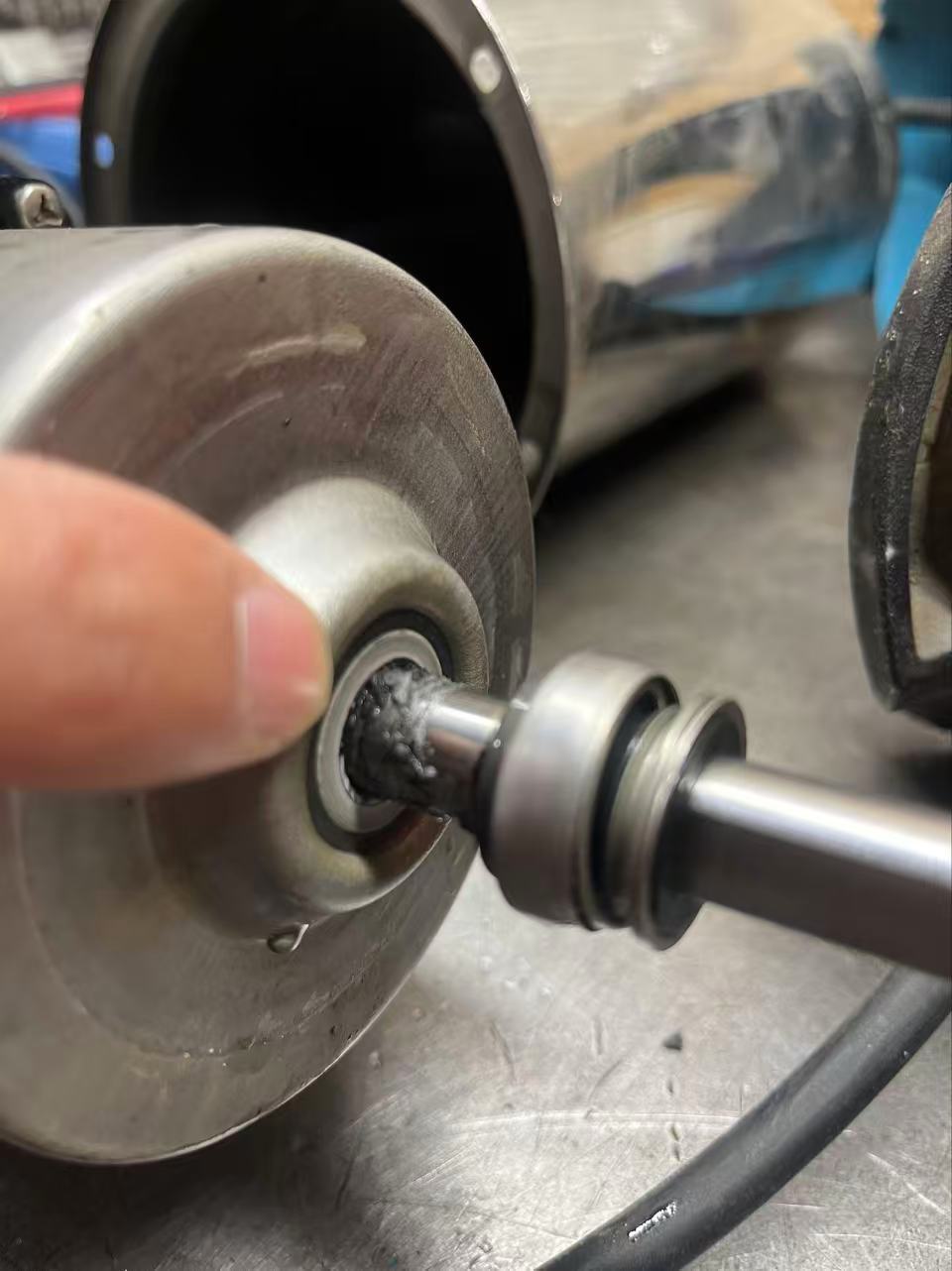
- Blockage of the Compensation Mechanism: Beyond the faces, fine sand can infiltrate the tiny gaps in the seal structure. It clogs springs and other moving parts, preventing them from axially compensating for wear. When the seal can no longer adjust, it loses its dynamic sealing ability and fails completely.
The takeaway is clear: for water with high solid content, standard seal materials are insufficient. The design must upgrade to Silicon Carbide vs. Silicon Carbide (SiC/SiC) seal faces-a material combination specifically engineered to withstand abrasive wear. For high-pressure multistage pumps, where internal velocities amplify damage, this upgrade is not optional; it is essential.
The Systematic Destruction of Bearings
Bearings are designed to keep the pump shaft rotating smoothly and precisely. Sand turns them into grinding tools:
- Rapid Wear and Gap Explosion: When sand enters the tiny clearance between the bearing and the shaft sleeve, it acts as an abrasive. It grinds away both surfaces. Research shows that after operation in sandy conditions, bearing clearance can increase by as much as 223% . This massive gap means the rotor loses its stable support.
- Catastrophic Vibration and Resonance: With the bearing clearance enlarged, the shaft begins to wobble violently during rotation. This vibration accelerates wear on every other component, creating a vicious cycle. Studies indicate that after just 117 hours of operation in sandy water, the vibration amplitude of the pump shaft can increase by up to 643% . For multistage pumps, this level of instability can cause rotating impellers to collide with stationary diffusers-a catastrophic failure that destroys the pump in seconds.
- Drastic Efficiency Loss: Worn bearings and the resulting internal leakage directly translate to performance loss. The pump’s efficiency drops, head pressure decreases, and energy consumption rises. The pump may still run, but it is no longer performing its job effectively.
What We Learned-and What We Recommend
Our Poland investigation confirmed a simple truth: You cannot judge a pump’s application by the water’s surface alone. The hidden threat lies at the bottom. For clients drawing water from ponds, rivers, or lakes in regions like Poland-where fine sand is prevalent-standard pump specifications may not be enough.
We now recommend a three-part defense:
- Source Assessment: Before installation, evaluate the water body. If the bottom is sandy or the water turns silty after rain, plan for sand.
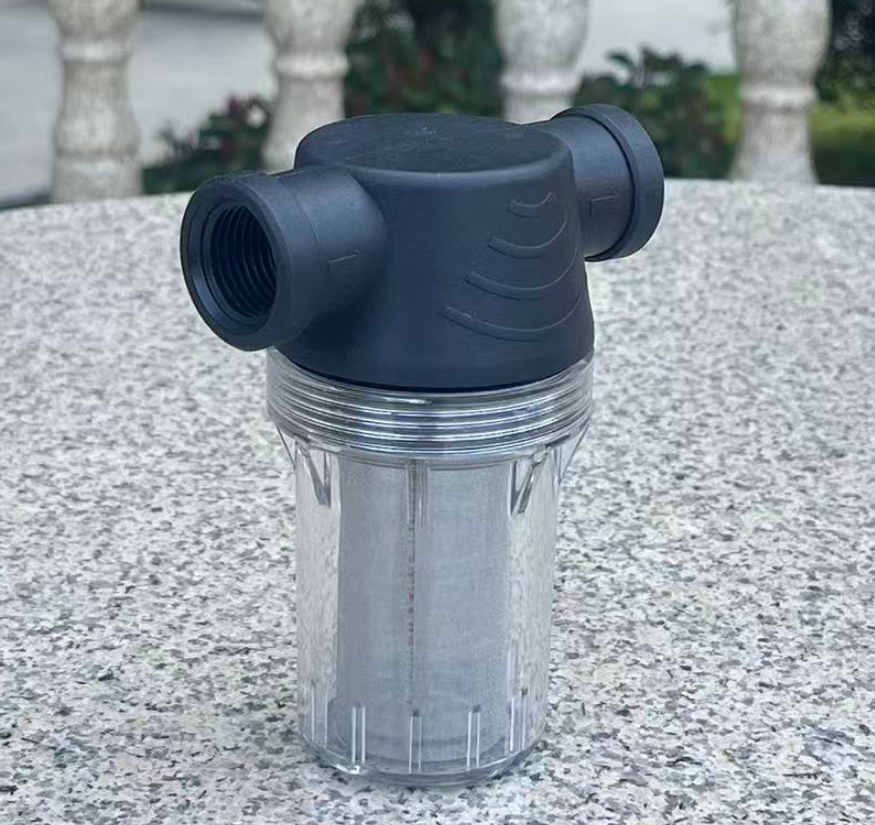
- Prioritize Filtration: For Surface pumps, Investing in a robust intake filter or a settlement tank is not optional; it is essential. This is the first and most critical line of defense against abrasive particles.
- Material Upgrades: Specify SiC/SiC mechanical seals as standard for these applications, not as an exception.
- Proactive Maintenance: In sandy environments, schedule regular inspections. Monitor for early signs of vibration or performance drop before they escalate into complete failure.
The pumps in that Warsaw warehouse failed for a reason. By understanding that reason-and backing it with data-we can ensure the next generation of pumps stays in the field, not on the repair bench.
-

Australia Residential & Garden Irrigation Pump Market Report
FLOSITE Market Insight Series
넶1 2026-06-30 -

FLOSITE Pump Division Engages with Industry Advances at FLOWTECH CHINA 2026
Industry Advances at FLOWTECH CHINA 2026
넶19 2026-06-17 -
The Rainy Season is Coming – Is Your Drainage Pump Ready?
– Is Your Drainage Pump Ready?
넶24 2026-05-27 -
2025 Global Pump Industry Sales Ranking: Key Players & Market Trends
Key Players & Market Trends
넶33 2026-05-12


